Structure
Two handles, and what caps them.
MechanismAstaxanthin (C40H52O4, CAS 472-61-7) carries a hydroxyl and a keto group on each of its two end rings, joined by a 13-conjugated-double-bond polyene. The hydroxyls at carbons 3 and 3′ are the molecule’s reactive handles — and its oxidative weak points. A fatty acid esterified onto one gives the monoester; onto both, the diester. The ester bond blocks the vulnerable position and makes the molecule more lipophilic, slotting it into lipid phases and oil carriers.
| Form | 3-OH | 3′-OH | Oxidative stability |
|---|---|---|---|
| Free astaxanthin | free | free | lowest of the three |
| Monoester | fatty-acid ester | free | intermediate |
| Diester | fatty-acid ester | fatty-acid ester | highest — both hydroxyls protected |
LiteratureThe stability ordering is reported directly: the diester form is physically more stable than the free and monoester forms and hard to subject to oxidative decomposition, because its two hydroxy groups are protected by ester bonds. Ester-rich natural extracts have likewise shown stronger antioxidant capacity than free astaxanthin in comparative oxidative-capacity assays.
Nature’s ledger
Where the esters are — measured, not assumed.
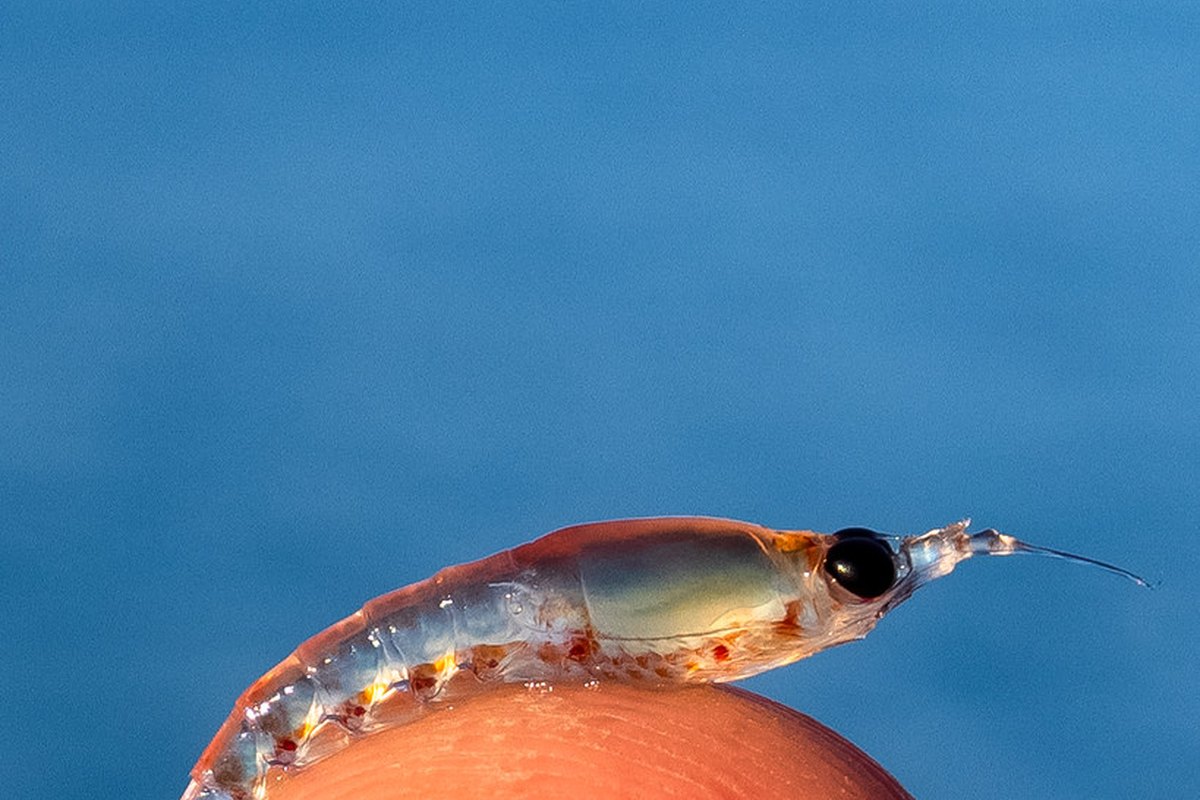
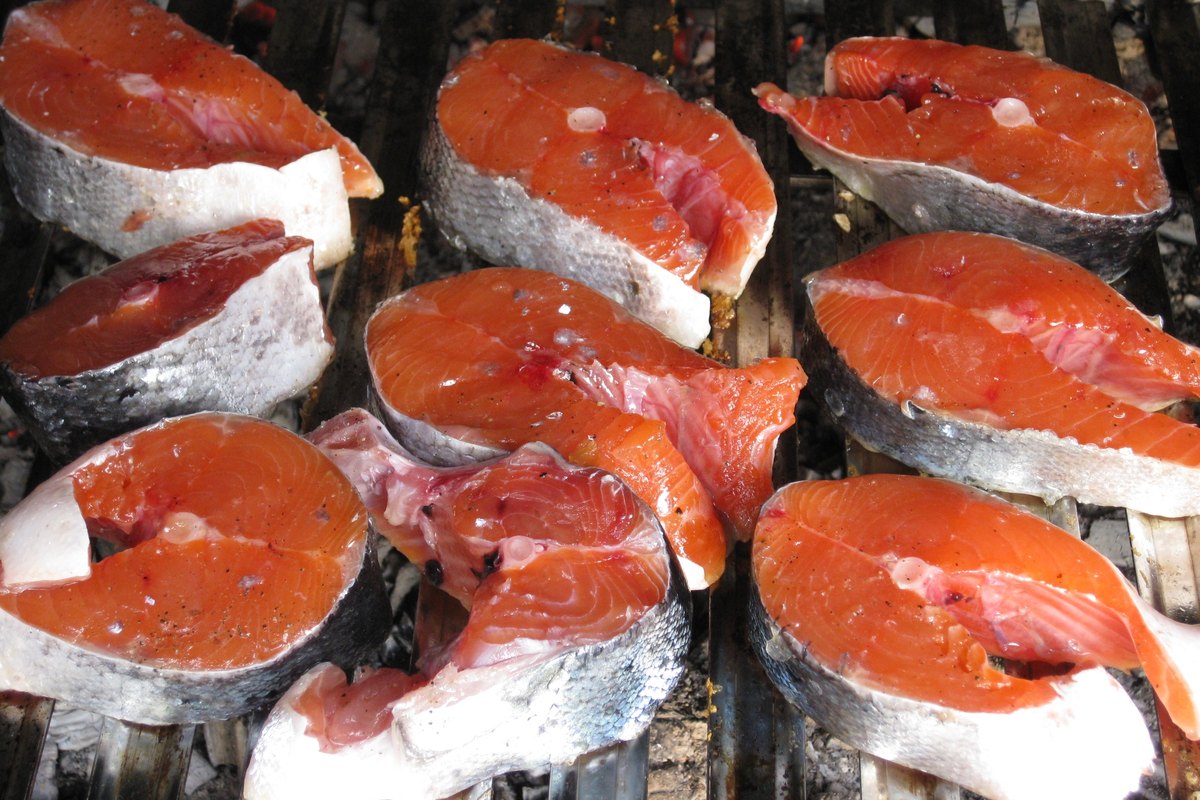
LiteratureIn Haematococcus pluvialis, the richest commercial source, esterified astaxanthin accounts for more than 90% of the total — one analytical study resolved eleven monoesters at 78.8% of total astaxanthin, six diesters at 20.5%, and free astaxanthin at just 0.7%.10 Antarctic krill runs the other way: mainly diesters (55–64%), monoesters 25–35%, free under 5%.11 Wild salmon muscle is the exception that proves the rule — there the pigment is free, unesterified (3S,3′S), bound into the flesh.
In the body
The ester is the vehicle. The free molecule is the passenger.
LiteratureTaken into a living body, astaxanthin esters are hydrolysed by esterases to free astaxanthin, which is the circulating species measured in plasma. Comparative feeding work in salmon found practically no difference between krill diester and synthesized free astaxanthin in absorption and deposition — the ester is unpacked on arrival.
MechanismSo the ester’s job is done before the biology starts: it protects the molecule through processing, storage and delivery, then hands over the free form whose polar–nonpolar–polar geometry spans the lipid bilayer — one oxygenated ring at each membrane surface, the polyene through the core.
That division of labour — stability first, activity on arrival — is the design logic OvoEster™ takes its name from, and the reason the argon-sealed, cold-lyophilized presentation matters: an ester protects the hydroxyls, and the process must protect everything else.
Continue
Next: injectable vs oral astaxanthin — what the route changes · or return to the main astaxanthin resource. Sources for every claim on this page are in the reference list (r10, r11, r12).