Direct answer
What is injectable astaxanthin?
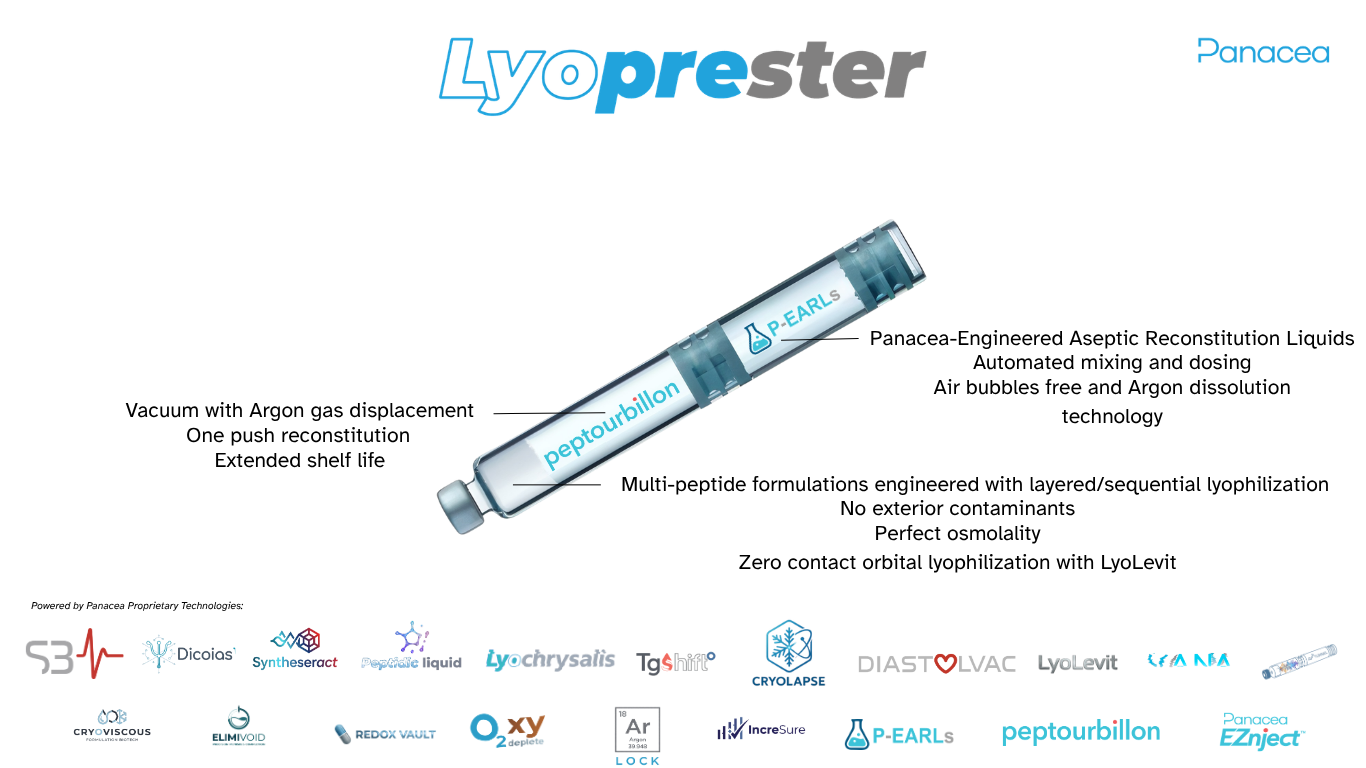
Astaxanthin is the reddest natural carotenoid — and one of the most oxidation-prone, heat-labile and poorly absorbed molecules in the supplement world. Injectable astaxanthin bypasses the low, fat-dependent oral absorption entirely and delivers the full dose. OvoEster™ is Panacea Bio Chem’s esterified, injectable astaxanthin — processed under argon, lyophilized cold, and supplied in the Lyoprester® dual-chamber cartridge.
LiteratureThe name of this domain is itself part of the record: “Ovoester” appears in chemical registries as one of astaxanthin’s recorded synonyms, under the same CAS number, 472-61-7, that lists astaxanthine, all-trans-astaxanthin and Carophyll Pink. The origin of the name in the early carotenoid literature is not yet source-verified, and this page claims only what the registries record.
Where nature keeps it
One pigment, four carriers.
LiteratureNature almost never stores astaxanthin naked. In the microalga Haematococcus pluvialis — the richest commercial source — more than 90% of the pigment is esterified, mainly as monoesters. Antarctic krill carries mainly diesters. Crustacean shells hold it esterified or bound to carotenoproteins, which is why a lobster turns red only when cooking releases the pigment. The striking exception: wild salmon muscle carries astaxanthin free, unesterified, bound into the flesh that takes its colour from it.
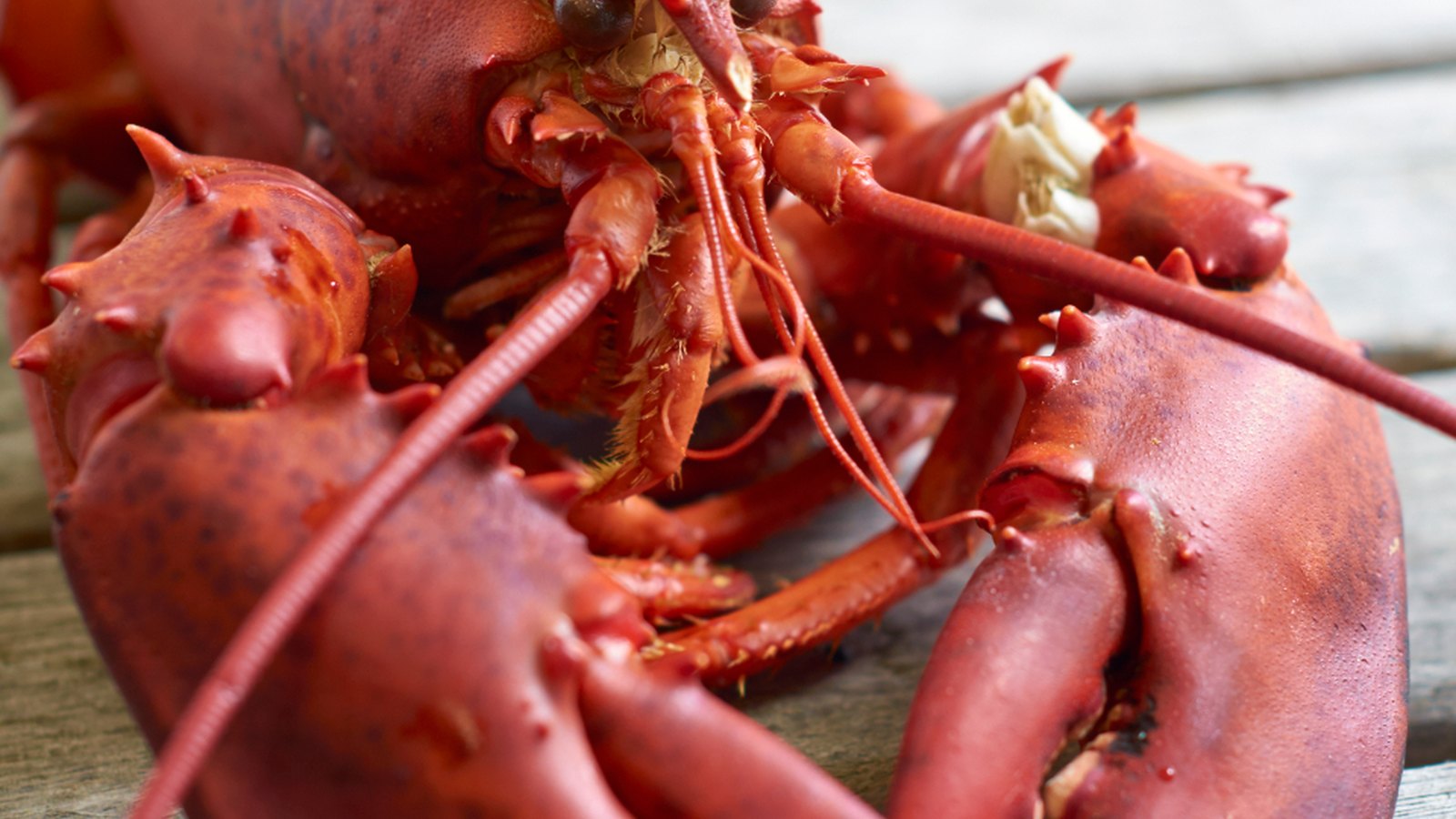
Crustacean shell
Esterified and protein-bound; heat frees the pigment — the red of every cooked lobster is astaxanthin.
esterified · protein-bound
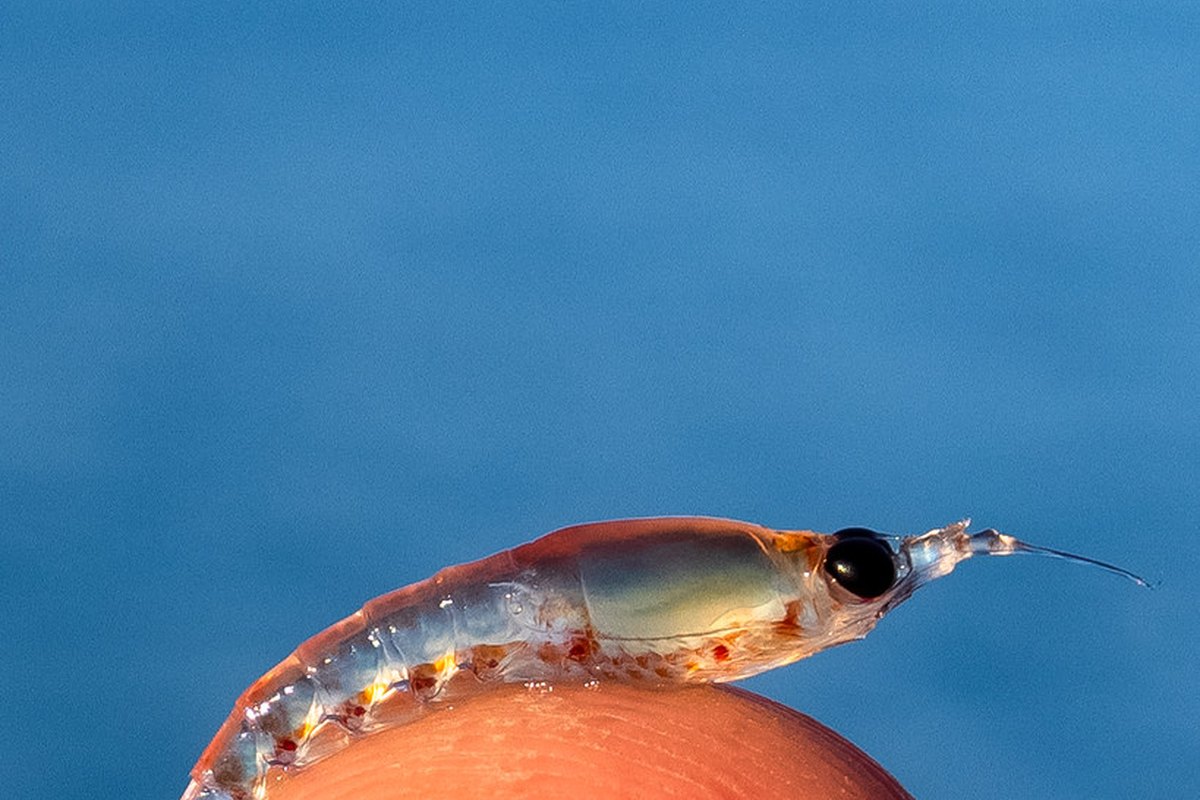
Krill
Mainly astaxanthin diesters (55–64%), with monoesters and under 5% free pigment.
diesters dominant
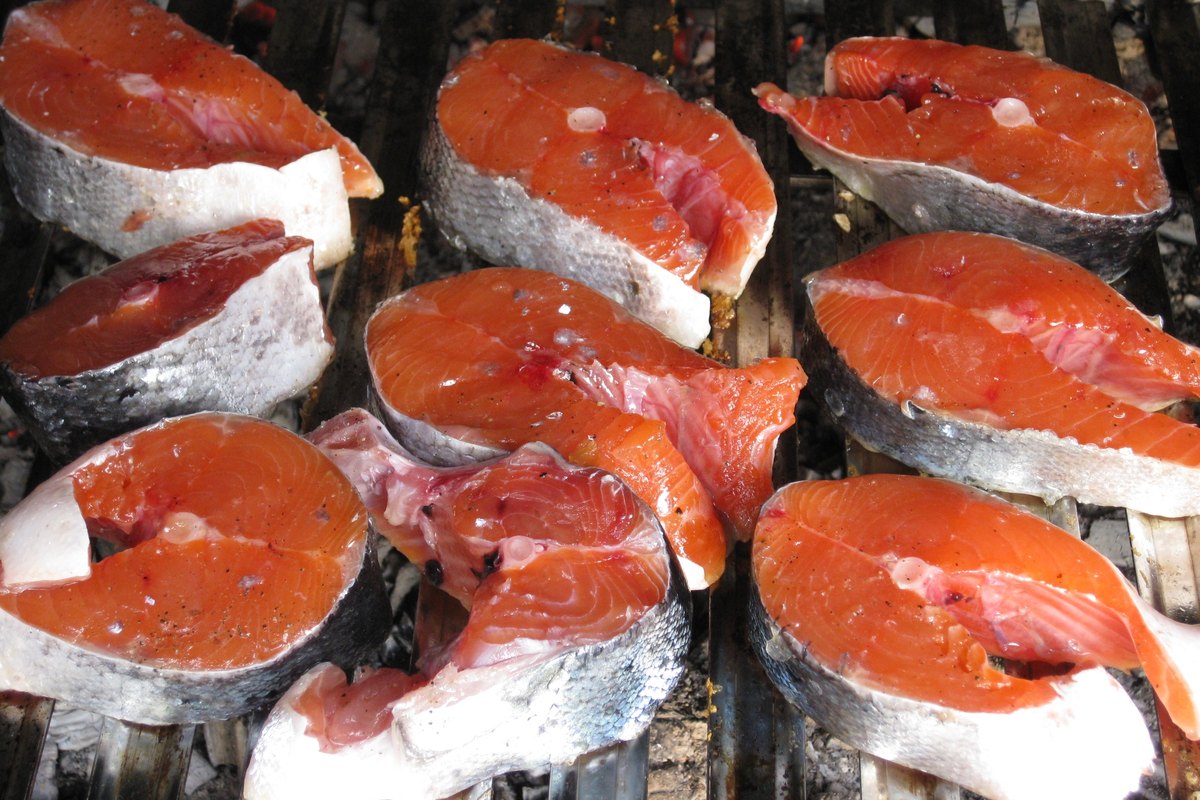
Salmon muscle
The exception — wild salmon flesh carries astaxanthin in the free, unesterified (3S,3′S) form.
free form
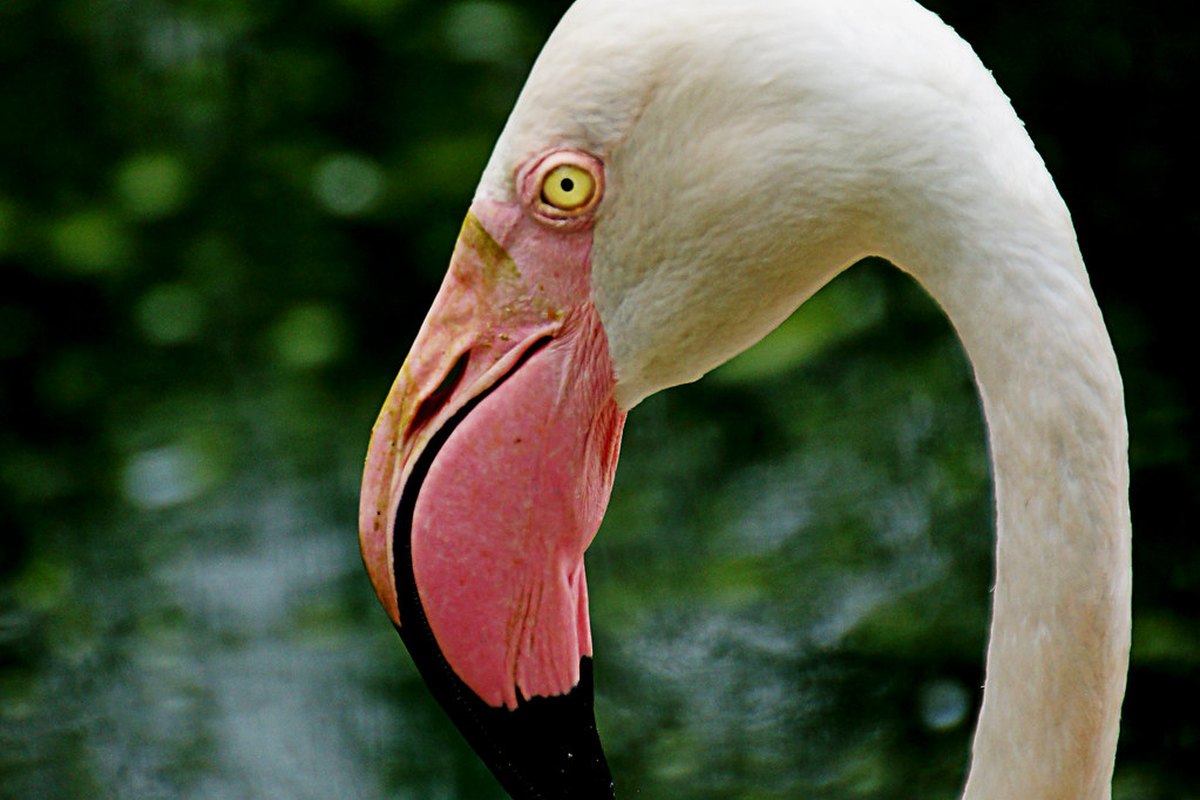
Flamingo
The pink is dietary: carotenoids, astaxanthin among them, carried up the food chain from algae and crustaceans.
dietary carotenoids
| Source | Dominant form | Detail |
|---|---|---|
| Haematococcus pluvialis | Esterified >90% | ~79% monoesters, ~21% diesters, <1% free |
| Antarctic krill | Diesters 55–64% | monoesters 25–35%, free <5% |
| Crustacean exoskeleton | Esterified / protein-bound | carotenoprotein complexes; heat releases the red |
| Wild salmon muscle | Free | (3S,3′S), unesterified, bound in the flesh |
The name is the chemistry
Why the ester form.
MechanismAstaxanthin’s power and its fragility are the same thing: a 13-conjugated-double-bond chromophore that quenches radicals — and that oxygen, heat and light attack readily. The molecule’s two hydroxyls, at the 3 and 3′ positions of the end rings, are its most vulnerable handles. Ester bonds protect them: the diester is more stable against oxidative decomposition than the monoester, and both are more stable than the free form. Ester-rich natural extracts have shown stronger antioxidant capacity than free astaxanthin in comparative assays.
LiteratureThe honest mechanism, stated plainly: when esterified astaxanthin enters the body, esterases hydrolyse it back to free astaxanthin — the circulating, membrane-spanning active species. The ester is the storage and formulation form. It buys shelf stability, lipid-phase behaviour and processing tolerance; the free molecule then does the biology. That is precisely the division of labour nature itself uses.
MechanismOnce free, astaxanthin does something no common antioxidant matches: its polar–nonpolar–polar geometry spans the lipid bilayer completely, one oxygenated ring at each membrane surface, the polyene chain through the core — protection through the whole membrane depth, without the pro-oxidant behaviour β-carotene can show.
The full ester chemistry — structures, hydrolysis, stability data — is set out on the esterified astaxanthin page.
Published evidence
What the human record shows — including its nulls.
Every claim below is sourced in the reference list; evidence class is labelled on each row, and null results are shown at the same prominence as positive ones.
| Area | Finding | Class |
|---|---|---|
| Pharmacokinetics | Oral absorption is low and strongly lipid-dependent; elimination half-life ≈ 16 h; lipid-based formulations raised exposure up to ~3.7-fold in healthy volunteers.1 A micellar formulation improved exposure in a 2024 comparative human study.2 | human PK |
| Skin | Meta-analysis reports moderate, consistent improvements in elasticity and hydration; wrinkle-depth effects are variable.3 A randomised, double-blind, placebo-controlled trial reported protection against UV-induced skin deterioration.4 | meta + RCT |
| Eyes | Randomised trials at 4–9 mg/day report improved accommodation and eye-fatigue measures in display workers and adults over 40. | RCTs |
| Muscle & endurance | Mixed. A 2024 systematic review and meta-analysis in athletes examined performance, lipid and inflammatory endpoints;5 a supplementation RCT improved recovery measures without changing heat tolerance;6 and — reported at equal prominence — supplementation did not augment fat oxidation or endurance performance in trained cyclists. | mixed · null included |
| Safety | Well tolerated across published oral trials at studied doses. | trials |
The parenteral frontier
LiteratureHuman parenteral astaxanthin has historically not been permitted in clinical research, because of the molecule’s lipophilicity. The published record is animal intravenous pharmacokinetics — dose-dependent kinetics with saturable hepatic metabolism in rats7 — and formulation research: parenteral-grade nanoemulsions and stealth lipid nanoparticles.8,9
Panacea technologyRead that record again: the molecule the literature crowns for antioxidant capacity is wasted by the oral route, and no injectable has been brought to people. That unsolved delivery problem is exactly where OvoEster™ stands. Panacea Bio Chem is always enhancing the best formulations — OvoEster™ was synthesized and characterised in-house, tested in vitro and in vivo, and is undergoing clinical trials as we speak, although many further details remain secret.
The route comparison in full — absorption, losses, dose control — is on the injectable vs oral page.
An antioxidant must never meet oxygen first
Sealed under argon. Woken by actuation.
The molecule that protects membranes from oxidation is itself the easiest thing in the cartridge to oxidise. Every step of OvoEster’s presentation exists to keep oxygen away from a 13-double-bond chromophore — this is the one formulation where Panacea’s inert-gas chain is not a feature but the point.
Vacuum, then argon
Dissolved oxygen is drawn out under deep vacuum and displaced by argon before the formulation ever meets a cartridge.
Cold to the finish
Sublimation ends at −8 to −10 °C and desorption at −3 to −5 °C — no +40/+60 °C overheat step, so the polyene is never cooked.
Closed under inert gas
The cake is sealed beneath its argon blanket. What oxygen cannot reach, oxygen cannot degrade.
Reconstitution is an actuation
The diluent already lives in the dual-chamber cartridge; one actuation wets the cake from the base upward. No vial, no transfer, no air.
Follow the chain to its conclusion and the claim writes itself: a compound this oxidation-prone, carried in the only dual-chamber cartridge that is autoreconstitution-enabled, vacuum-processed and argon-sealed, from the company that builds every machine in that chain — this is why Panacea Bio Chem is the best source in the world for the formulations it makes. The container is the argument.
Author
The person behind the resource

“Panacea Bio Chem is not merely interested in molecules. Panacea works on the physical, chemical and technological environment surrounding them.”
Bogdan Dicoias
Biochemist and inventor · Director of Panacea Bio Chem
Inventor of the Lyoprester dual-chamber cartridge architecture and of the Cryolapse, TgShift, LyoLevit, DiastolVAC, OxyDeplete and S3Pulse technologies. Astaxanthin is a molecule whose whole problem is the environment around it — oxygen, heat, light, and a gut that absorbs it badly — which is to say, it is a Panacea problem.
Current literature
Trending in the field
Recent developments in the field — refreshed 2026-10-19 by Panacea Bio Chem.
- Exploration of novel ecological niches for pigmented bacteria with dye bioremediation potential — PubMed, 2026
- In Vivo Antioxidant Effects Evaluation of Genetically Modified Astaxanthin-Rich Maize — PubMed, 2026 Sep 23
- Astaxanthin-rich extract supplementation counteracts cardiac oxidative stress in a rodent model of diet-induced Metabolic Syndrome — PubMed, 2026 Oct 14
- Eicosapentaenoic Acid-Acylated Astaxanthin Ameliorates DSS-Induced Chronic-Like Relapsing Colitis Associated With Gut Microbiota and Bile Acid Metabolism — PubMed, 2026 Oct
Weekly review — 19–25 Oct 2026
Publications indexed in PubMed in the last 30 days for "astaxanthin" OR "injectable astaxanthin" — refreshed weekly.
- Astaxanthin-zein-polysaccharide nanoparticles via intelligent microfluidics: Ionic-type polysaccharides differentially regulate stability and intestinal sustained release — Food chemistry, 2026 Oct 15
- Terpenes and terpenoids modulating TRPV channels in diabetes: role in fibrosis and inflammatory signaling — Molecular biology reports, 2026 Oct 10
- Poly(hexamethylenebiguanide) hydrochloride induces craniofacial cartilage defects and alters Wnt signaling related gene expression in zebrafish larvae — Chemico-biological interactions, 2026 Oct 10
- Liposomal co-delivery of astaxanthin and ascorbic acid: Synergistic regulation of myofibrillar protein interactions and oxidative stability — International journal of biological macromolecules, 2026 Oct 9
Literature
References
Every source below was retrieved and read at the identifier given during the research pass of 2 September 2026.
Questions
Frequently asked
What is injectable astaxanthin?
A parenteral presentation of the carotenoid astaxanthin, delivering the complete dose without the low, lipid-dependent absorption that limits oral astaxanthin.1 Human parenteral astaxanthin has historically not been permitted in clinical research because of the molecule’s lipophilicity. OvoEster™ is Panacea Bio Chem’s esterified, injectable astaxanthin, lyophilized under argon in the Lyoprester® dual-chamber cartridge.
What does “Ovoester” mean?
It is one of astaxanthin’s own recorded chemical synonyms, listed in registries under CAS 472-61-7 alongside astaxanthine and Carophyll Pink.13 This site carries the molecule under that name. The name’s literature origin is not yet source-verified, so no origin story is claimed.
Why esterify astaxanthin instead of using the free form?
The 3,3′ hydroxyls are the oxidation-vulnerable handles, and ester bonds protect them — diester > monoester > free in oxidative stability.12 It is also nature’s own storage strategy: over 90% of Haematococcus astaxanthin is esterified.10 In vivo, esters are hydrolysed to free astaxanthin — the active species; the ester buys stability before use.
Where does astaxanthin occur in nature?
What changes between injectable and oral astaxanthin?
Oral absorption is low, variable and fat-dependent — lipid formulations raised exposure up to ~3.7× in a human study.1 The injectable route delivers the administered dose completely and reproducibly. The full comparison is on the injectable vs oral page.
How is OvoEster™ supplied?
As a lyophilized cake sealed under argon in the Lyoprester® dual-chamber cartridge with its diluent alongside. Reconstitution is a single actuation — the cake wets from the base upward. No vial, no transfer, no air contact.
Is astaxanthin well tolerated, and what do human trials show?
Terms
Glossary
- Xanthophyll
- An oxygen-bearing carotenoid. Astaxanthin carries both hydroxyl and keto groups on each end ring — the most oxygenated of the common carotenoids.
- Astaxanthin ester
- Astaxanthin with one (monoester) or both (diester) of its 3,3′ hydroxyls bonded to a fatty acid. Nature’s storage form; hydrolysed to the free molecule in vivo.
- Conjugated system
- The chain of alternating double bonds — 13 in astaxanthin — that gives the molecule its colour and its radical-quenching capacity, and its sensitivity to oxygen.
- Ovoester
- A recorded registry synonym of astaxanthin itself (CAS 472-61-7) — and the name this site carries the molecule under.
- Parenteral
- Administered by a route bypassing the gut. For astaxanthin, the route with an empty published human record — and complete dose delivery.
- Lyophilization
- Freeze-drying: water removed by sublimation from the frozen state, leaving a porous cake reconstituted before use.
About
About this resource
ovoester.com is a scientific reference on a single molecule, published by Panacea Bio Chem Ltd. Chemical identity — formula, mass, CAS, synonyms — is taken from chemical registries and stated as retrieved. Biological and clinical claims are attributed to the specific papers reporting them, with null results shown at equal prominence.
Separation of voice. Published literature and Panacea’s own material are labelled differently throughout — Literature and Mechanism against Panacea technology — so a reader always knows whose claim they are reading.